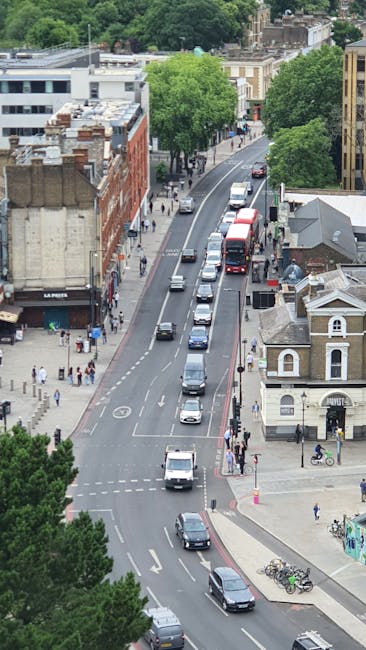
Common delays in Mayfair moves and prevention tips
Mayfair moves can look deceptively simple on paper. The postcode is compact, the streets are familiar, and the journey often isn't long. But anyone who has actually moved in and out of central London knows the truth: small issues stack up fast. A delayed lift booking, a missing parking permit, a narrow doorway, a late key handover, even one awkward delivery truck across the road can push a move off schedule before the kettle has even been unpacked.
This guide breaks down the common delays in Mayfair moves and prevention tips you can actually use. We'll look at why delays happen, how they affect the day, what to check before move day, and which practical steps reduce the risk of everything running late. If you're planning a home move, flat move, or office relocation in the area, this is the calm, no-nonsense version. Because let's face it, moving day is busy enough without surprise drama.
Contents
- Why common delays in Mayfair moves and prevention tips matter
- How delays happen during a Mayfair move
- Key benefits and practical advantages
- Who this is for and when it makes sense
- Step-by-step guidance
- Expert tips for smoother moving days
- Common mistakes to avoid
- Tools, resources and recommendations
- Law, compliance, standards, or best practice
- Options, methods, or comparison table
- Case study or real-world example
- Practical checklist
- Conclusion
- Frequently asked questions
Table of Contents
- Contents
- Why Common delays in Mayfair moves and prevention tips Matters
- How Common delays in Mayfair moves and prevention tips Works
- Key Benefits and Practical Advantages
- Who This Is For and When It Makes Sense
- Step-by-Step Guidance
- Expert Tips for Better Results
- Common Mistakes to Avoid
- Tools, Resources and Recommendations
- Law, Compliance, Standards, or Best Practice
- Options, Methods, or Comparison Table
- Case Study or Real-World Example
- Practical Checklist
- Conclusion
- Frequently Asked Questions
Why Common delays in Mayfair moves and prevention tips Matters
Delays are not just annoying. In Mayfair, they can affect access, costs, building management rules, neighbours, and the safety of the move itself. A one-hour delay can turn into a chain reaction: the loading bay booking expires, the lift slot is missed, staff wait outside with furniture, and your schedule gets tighter and tighter. If you're on a fixed completion day, that pressure feels very real.
The area also brings its own quirks. Many properties are in period buildings, mansion blocks, or managed apartments with strict access rules. That means move planning is not just about wrapping boxes. It's about knowing when the building will allow entry, where the van can stop, how long the route from the flat to the vehicle really is, and whether you have enough people to move quickly once the doors open.
A good move plan protects your time and reduces stress. It also helps the removals crew work at a steady pace instead of constantly waiting for the next obstacle. In our experience, the smoothest Mayfair moves are rarely the ones with the fanciest packing. They are the ones where the small things were checked early.
Expert summary: Most moving delays in Mayfair come from access, timing, paperwork, parking, and poor preparation rather than the heavy lifting itself. Fix those early and you eliminate a surprising amount of friction.
How Common delays in Mayfair moves and prevention tips Works
To understand delays, it helps to think of a move as a sequence, not a single event. There is booking, planning, packing, access, loading, transit, unloading, and often handover. If any one stage slips, the rest usually feel it.
In Mayfair, the most common delay points tend to be:
- Access delays: lift bookings, stair-only access, controlled entrances, concierge checks, or keys not being ready.
- Parking delays: no suitable stop outside, permit issues, or a van needing to circle the block.
- Packing delays: boxes not sealed, fragile items not ready, wardrobes still full, or furniture not disassembled.
- Timing delays: completion running late, tenant not out yet, or a delayed chain on the day.
- Operational delays: the wrong van size, not enough crew, or a tricky item such as a piano or oversized sofa needing extra care.
The prevention side is straightforward in principle, though a bit fiddly in practice. You reduce the chance of delay by confirming the details early, making the route clear, and allowing some flexibility. A move that looks neat on a spreadsheet is one thing. A move that works when a lorry is double-parked down the street is another.
If you are booking support for a flat, house, or office move, it can help to review the service type that fits your situation. For example, a straightforward domestic relocation may suit home moves, while managed apartment access often points people towards flat removals or, for business premises, commercial moves. The right service choice alone can remove a lot of confusion.
Key Benefits and Practical Advantages
Planning for delays may not sound exciting. Not glamorous at all, really. But it pays off.
Here's what good prevention brings to the table:
- Less stress on the day: You are not constantly improvising.
- Lower risk of extra waiting time: Crew time is used properly, which can help keep the job efficient.
- Better protection for belongings: Calm handling usually means fewer rushed mistakes.
- Smoother building access: If the concierge, lift booking, or loading bay is handled properly, the move flows faster.
- Better coordination with solicitors, landlords, or building managers: Especially important when keys or completion are involved.
- Improved chance of finishing in one trip: If the van size is right and packing is sorted, you avoid the classic "we'll need to go back for the rest" moment. Nobody enjoys that.
There's also a quieter benefit: confidence. When you know the timing, the route, and the access points have all been considered, you can focus on the actual transition. That matters more than people admit.
Who This Is For and When It Makes Sense
This advice is useful for anyone moving in Mayfair, but especially if your move has even one of these features:
- You live in a building with lift access, concierge control, or strict moving windows.
- Your move involves valuable furniture, antiques, artwork, or a piano.
- You are moving into or out of a flat with limited on-street stopping space.
- You are coordinating around completion times or key release.
- You are relocating an office where staff, IT, and documents all need to be moved in order.
- You want to avoid same-day panic, because truth be told, that gets old very fast.
It also makes sense if you are comparing service levels and want to know what kind of support is worth paying for. For some moves, a compact vehicle and a small team are enough. For others, a bigger vehicle, extra movers, or temporary storage may be the smarter option. If that sounds like your situation, look at options such as man and van, removal van, or storage if timing needs a buffer.
Step-by-Step Guidance
1. Confirm the move window first
Before anything else, check the exact time you are allowed to move in or out. If there is a building time slot, loading restriction, or key handover window, build the rest of the plan around that. Do not assume "morning" means flexible all morning. It rarely does.
2. Walk the route from property to vehicle
This is one of the simplest things to do, and one of the most overlooked. Measure the route mentally: lift to lobby, lobby to pavement, pavement to van. Are there steps? A tight corner? A doorman who needs to unlock a side entrance? Small details make a big difference when someone is carrying a wardrobe.
3. Match the vehicle to the job
A van that is too small creates obvious delay. One that is oversized can create parking problems. The best fit depends on volume, access, and street conditions. For heavier or bulkier loads, you may need a stronger plan involving a moving truck or a larger moving arrangement rather than trying to make everything fit into a tighter space.
4. Pack for speed, not just neatness
Neat packing is good. Fast unpackable packing is even better on move day. Label boxes clearly by room and priority. Keep essentials separate. Disassemble furniture if needed. And please, if a box contains random cables, chargers, and a set of drill bits, label it properly. Future you will be grateful.
5. Build in buffer time
Mayfair moves are often affected by small waiting periods, so add a realistic buffer. Not a dramatic amount, just enough to absorb a late key release or a slow lift cycle without the whole schedule collapsing.
6. Keep essential documents and contacts close
Have your booking details, building contacts, and access instructions in one place. If anything changes, you want to be able to respond quickly instead of digging through messages while someone is already waiting outside.
7. Protect fragile and high-value items
Fragile items create delays when they are not packed properly, because crews have to slow down and handle them with extra care. Use the right materials, separate breakables, and flag anything awkward in advance. If you are moving specialist items, look into piano removals or furniture removals depending on what you are shifting.
8. Confirm payment and terms before the day
Small admin gaps can become moving-day delays. Make sure you understand the booking, cancellation, and payment terms ahead of time. If you want a clear idea of how quotes are structured, it can help to review pricing and quotes and the company's terms and conditions. That avoids awkward back-and-forth when everyone should be focused on the move.
Expert Tips for Better Results
There are a few habits that make a Mayfair move noticeably easier. They are not complicated, just easy to skip when you're busy.
- Book access before you book the van if possible. A confirmed building slot often matters more than a perfectly chosen time of day.
- Use colour labels for rooms. Simple, effective, and quicker than reading tiny handwriting at the door.
- Tell the crew about awkward items early. Narrow staircases and bulky wardrobes are not surprises anyone enjoys at 8:00 in the morning.
- Keep a "first night" bag separate. Chargers, medication, toiletries, mugs, tea, and a change of clothes. The little things matter when the boxes are everywhere.
- Be realistic about walking distances. A 20-metre route is very different from a 120-metre route with stairs.
- Use storage as a pressure valve. If your completion and move-out timings don't line up cleanly, temporary storage can prevent a rushed, stressful handover.
A small but useful point: if you are moving from a student flat, a compact service like student removals may be enough, but even small moves can still be delayed by lift access or parking. Small job, same old London issues. Funny how that works.
Common Mistakes to Avoid
Most delays are predictable once you've seen a few of them. The same mistakes come up again and again.
- Leaving packing until the last evening: This usually leads to half-packed boxes and unnecessary scrambling.
- Not checking building rules: Some properties require specific moving times, padding for walls, or advance notice.
- Underestimating traffic and access issues: Even a short trip can be thrown off by loading restrictions or a blocked street.
- Forgetting to clear reserved parking space: If the van cannot stop near the entrance, everything slows down.
- Hiring the wrong vehicle size: Too small means extra trips; too large can mean access headaches.
- Not disclosing special items: Heavy mirrors, marble tables, safes, or pianos need planning.
- Ignoring insurance and safety details: It is worth checking how items are protected during transit and handling.
If you want to reduce avoidable risk, look at the company's insurance and safety information, and if you are moving business equipment or stock, check the practicalities of a office removals approach rather than assuming a standard domestic move will cover everything. It usually won't.
Tools, Resources and Recommendations
You do not need fancy software to avoid moving delays, but a few basic tools help enormously.
- A moving checklist: Helps you track tasks in order, not in a panicked pile.
- Phone calendar reminders: Useful for lift bookings, key collection, and packing deadlines.
- Room labels and colour tape: Makes unloading quicker and less chaotic.
- Measuring tape: Helpful for checking door frames, furniture sizes, and awkward corners.
- Plastic wrap, blankets, and cartons: Reduce damage and the slow handling that often causes delays.
- Spare bags for last-minute items: Because there is always something you forgot. Always.
When a move involves mixed furniture, multiple floors, or a tight turnaround, it can be worth discussing broader removal support through removal services. If you need flexibility around a smaller move, man with van or man with a van can be practical options, provided the load and access suit the setup.
Law, Compliance, Standards, or Best Practice
For Mayfair moves, compliance is mostly about common-sense professionalism and following building and transport requirements carefully. While every move is different, there are some standard expectations worth respecting.
Best practice usually includes:
- clear confirmation of access arrangements before move day
- proper handling of goods to reduce damage risk
- appropriate insurance cover for the type of move being carried out
- safe lifting and carrying methods for staff and property
- respecting building management rules, neighbours, and loading restrictions
If you are comparing providers, it is sensible to ask how they manage safety, claims handling, and security. You can also review the company's health and safety policy, payment and security information, and recycling and sustainability approach if those matters influence your decision. That is not overkill. It is just good housekeeping.
Options, Methods, or Comparison Table
Different move types suit different levels of complexity. Here is a simple comparison to help you choose the right approach.
| Move option | Best for | Delay risk | Prevention focus |
|---|---|---|---|
| Man and van | Smaller loads, short routes, flexible timing | Moderate if access is poor | Parking, quick loading, careful packing |
| Removal van | Medium-sized domestic moves | Moderate | Right vehicle size, route planning, lift booking |
| Moving truck | Larger or fuller moves | Higher if street access is tight | Advance access planning, loading bay confirmation |
| Storage-backed move | Moves with timing gaps or delayed completion | Lower on the day, but more steps overall | Scheduling, inventory control, clear handover timing |
There is no perfect option for every household or business. The right choice depends on size, access, timing, and how much pressure you want to remove from the day. A larger vehicle is not always better. A smaller, faster setup is not always enough. The balance matters.
Case Study or Real-World Example
A typical Mayfair move we often see goes something like this: a couple is leaving a third-floor flat in a managed building. The keys to the new place are due mid-morning, the lift is booked, and the street has limited stopping space. On paper, it seems manageable.
Then the first issue appears. The removal van arrives, but there is nowhere sensible to stop directly outside. The crew has to wait for a short loading window. Not long, just long enough to matter. Inside, one wardrobe has not been dismantled, and two boxes are still open because someone packed "the last few things" after breakfast. It happens. More often than people admit.
The move is still completed, but it takes longer than planned. The prevention steps would have been simple: confirm the parking arrangement in advance, disassemble the wardrobe the night before, seal the boxes properly, and keep the lift booking times realistic. None of that is dramatic. All of it helps.
That is really the theme here. Delays are often caused by small, ordinary omissions rather than major disasters.
Practical Checklist
Use this checklist in the final 48 hours before your move.
- Confirm the move date, time, and access window.
- Check lift bookings, concierge instructions, and building rules.
- Make sure parking or loading arrangements are sorted.
- Label all boxes by room and priority.
- Pack a separate essentials bag for the first day and night.
- Dismantle furniture that needs it.
- Tell the removals team about any fragile, heavy, or awkward items.
- Check payment, booking, and insurance details.
- Keep key contacts easy to find on your phone.
- Have a backup plan if completion or key handover runs late.
If you are still deciding which service is the right fit, reviewing the main removals page can help you narrow down the level of support you need. And if you are moving specific furniture only, furniture pick up may be the better match.
Get a free quote today and see how much you can save.
Conclusion
The best way to avoid delays in a Mayfair move is to treat access, parking, packing, and timing as part of the move itself, not as side issues. That shift in mindset changes everything. Suddenly the van is not the only thing that matters. The building rules matter. The route matters. The box labels matter. Even the time you hand over the keys matters.
If you plan early, confirm the small details, and choose the right service for the job, the day becomes much easier to manage. A bit less frantic. A bit more human. And honestly, that's usually the real win. Moving day will never be your favourite day, but it can be far less messy than people expect. That's something worth aiming for.
Frequently Asked Questions
What causes the most common delays in Mayfair moves?
The biggest causes are usually parking restrictions, building access rules, delayed key handovers, poor packing, and underestimating how long loading takes in a central London setting.
How can I prevent a moving van delay in Mayfair?
Confirm access and parking in advance, give the removals team accurate property details, and make sure the vehicle size suits the move. Small things like lift bookings and loading permissions are often the difference between on time and late.
Are flat moves in Mayfair more likely to be delayed than house moves?
Often, yes. Flats can involve lifts, stairwells, concierge procedures, and tighter building rules. That said, houses can still be delayed if street access or completion timing becomes awkward.
Should I book storage to avoid delays?
Storage can be useful if there is a gap between leaving one property and entering the next, or if completion timing is uncertain. It is not needed for every move, but it can take pressure off the schedule.
What should I ask before booking removals in Mayfair?
Ask about vehicle size, access requirements, insurance, parking expectations, timing, and what happens if the move runs over. Clear answers up front reduce stress later.
How early should I start packing to avoid delays?
For a typical home move, start the non-essential packing as early as you reasonably can. Leaving it all to the final night usually creates avoidable panic and slows the team down on the day.
Can building rules really delay a move that much?
Yes. In managed buildings, access windows, lift reservations, protective requirements, and concierge checks can all affect timing. A move can run smoothly or drag simply based on whether those rules were followed.
What if my completion is late on move day?
That happens sometimes. Keep communication lines open, have a backup plan, and make sure the removals provider knows the situation early. If timings are uncertain, temporary storage or a flexible move order can help.
Is a man and van service enough for a Mayfair move?
It can be, especially for smaller loads or simpler access. For larger households, heavier items, or complicated parking and building access, a larger removals setup may be more suitable.
How do I avoid damage-related delays?
Pack fragile items properly, dismantle bulky furniture in advance, and label everything clearly. Damage usually slows a move because the crew has to stop and handle the item more carefully.
Do I need to worry about payment or booking terms before the move?
Yes, it is wise to check them. Understanding booking terms, payment steps, and what is included helps avoid admin delays and last-minute confusion.
What is the best last-minute tip for a smoother Mayfair move?
Keep your essentials, documents, and access details in one place. When the day gets busy, that small bit of organisation saves a surprising amount of time. And a little calm goes a long way, really.